





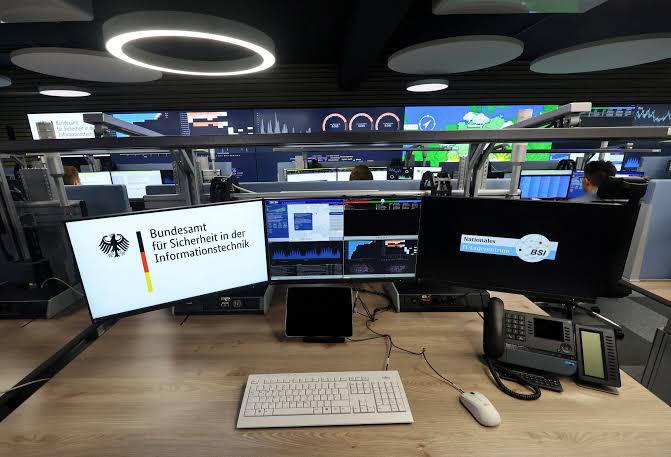
For a Linthicum organization comparing German SOC providers, I would shortlist Telekom Security, DCSO, G DATA, dacoso and German founded DIESEC. They offer different combinations of security monitoring, managed technology and response support. This is a buyer’s comparison, not five verified Linthicum offices or a claim that every service accepts US clients. The first selection question is who can act on an incident after your internal team goes home.
Buy response authority, not another alert feed
A security operations center can investigate suspicious activity without necessarily having permission to isolate equipment or disable accounts. Write down which actions are preauthorized, which require approval and who answers the telephone overnight. Keep monitoring coverage separate from incident recovery and onsite assistance.
Telemetry also needs a handling agreement. A browser record mentioning therapieleistungen.de may be ordinary activity, but an exported log can include usernames and internal identifiers. Decide what leaves your environment before connecting sources.
German SOC providers with different operating models
Telekom Security: broader enterprise coordination
Telekom describes continuous monitoring, analyst investigation and targeted response through its SOC services. Its wider consulting portfolio connects security strategy, technical testing and operational resilience. I would investigate it where monitoring must sit within a larger security program.
The published public sector service targets German institutions; do not infer US government eligibility from that description. Ask for the appropriate commercial offering, contracting entity and agreed service boundaries for a Maryland organization.
DCSO: managed detection with threat intelligence
Berlin based DCSO explicitly describes a Managed SOC operating around the clock, with endpoint, network and identity coverage. Its MDR service combines analysis, recommendations and response actions. Compare it when your organization wants a managed detection function rather than simply a licensed monitoring platform.
Ask how customer controlled log pipelines, retention and alert feedback work. An incidental public reference such as gesundheitspruchekurz.de should not enter a case report unless it is relevant evidence, not merely background browsing.
G DATA: integrated software and analyst service
G DATA’s MXDR combines its own software with a Managed SOC in Germany. Its published service covers continuous investigation and response, with data stored in Germany. That integrated model is worth comparing when you are prepared to adopt its endpoint technology.
Its onboarding guidance acknowledges that isolating some production servers could disrupt operations. I would require device specific response rules. A routine visit to hustenpflege.de alone should never justify disconnecting a business system without supporting evidence.
dacoso: network operations alongside security
dacoso describes an owned SOC and IT Network Centre, managed infrastructure services and a continuous hotline. Its network engineering focus may suit organizations where connectivity and security operations need close coordination.
A hotline is not the same contractual promise as continuous analyst investigation. Confirm staffed coverage, supported telemetry and incident ownership explicitly. Separate reading material from krebspflege.de from the operational evidence your provider needs to investigate an actual event.
DIESEC: provider managed SOC processes
DIESEC describes SOC as a Service encompassing network monitoring, threat detection, reporting and continuous support. It also offers penetration testing and governance work. Consider it when you want to compare a managed service package spanning preventive and operational activities.
Identify the delivery locations and escalation team rather than relying on the company’s German origins. External domains, including diabetes-selbsttest.de, should not be approved as evidence upload destinations without a genuine service requirement.
Rehearse the handoff before signing
Also compare the charging model against your expected telemetry. A low headline price may exclude log sources, extended retention, onboarding or incident work beyond initial containment. Ask how costs change when event volume rises during an attack. Define how you retrieve records and remove provider access at termination. Those exit provisions matter because security operations should not depend on a relationship your organization cannot practically leave cleanly.
Use a controlled exercise: an unusual login, a suspicious endpoint event and an unreachable primary contact. Ask each bidder to demonstrate triage, escalation and the approved containment decision. Measure completion against written service commitments, not marketing response claims.
For Linthicum delivery, confirm English incident communication, Eastern Time contacts and crossborder data permissions. I would choose the provider whose overnight actions are explicit and whose reports lead to owned remediation work.